










































Author: Mycond Technical Department
Humidity control in pharmaceutical manufacturing is not just a technical task but a critical condition for complying with product quality and safety standards. Pharmaceutical producers constantly face challenges related to excessive air humidity, which can affect the chemical stability, microbiological purity, and physical properties of medicines. Air dehumidification in the pharmaceutical industry is a set of technical solutions aimed at maintaining optimal climatic parameters at all stages of the production process.
The importance of humidity control in the pharmaceutical industry
The pharmaceutical industry adheres to strict hygienic standards, including GMP (Good Manufacturing Practice), which set stringent requirements for the production environment. Proper humidity control is a mandatory component of these requirements, as excessive humidity can lead to microbial growth, reduced efficacy of active substances, and deterioration of the physical characteristics of medicines.
Different stages of pharmaceutical production require specific climatic conditions. For example, tableting processes often demand low humidity (10–20% RH) at room temperature (around 20°C), while storing certain raw materials may require other parameters—for instance, for vaccines, conditions of 50% RH at 20°C may be optimal. Such a wide range of requirements necessitates the use of different dehumidification technologies and precise microclimate control.
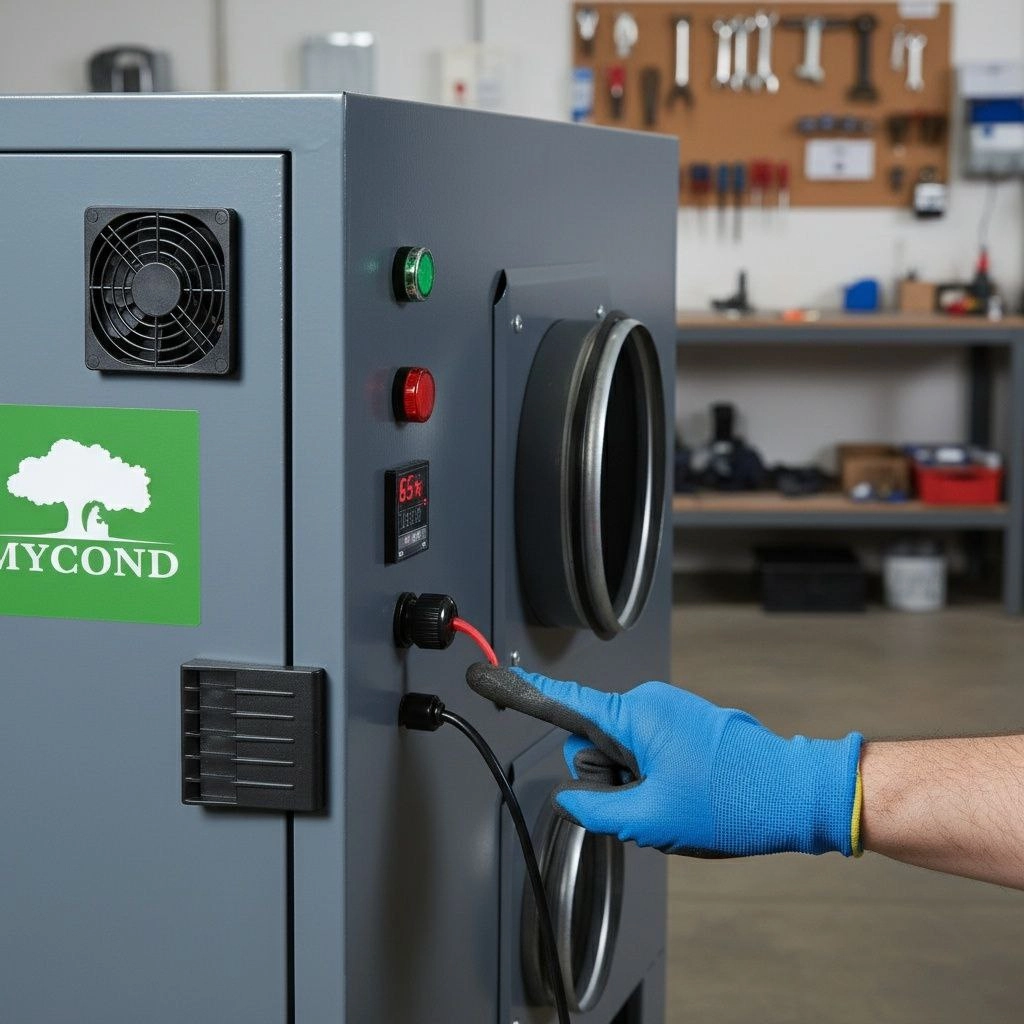
Hygroscopic properties of pharmaceutical materials
Hygroscopicity is the ability of a substance to absorb moisture from the surrounding environment. The pharmaceutical industry uses a large number of hygroscopic materials, which makes humidity control especially critical. The mechanism of moisture absorption by hygroscopic substances is based on the physicochemical properties of these compounds, which can form hydrogen bonds with water molecules.
Typical hygroscopic substances in pharmaceuticals include:
- Sodium and potassium salts
- Hydroxides
- Nitrates
- Sulfates
- Phosphates
- Active pharmaceutical ingredients (APIs)
Excessive moisture uptake by hygroscopic powders can lead to serious consequences: caking that significantly reduces powder flowability; blockage of transport pathways in production equipment; unwanted chemical reactions with condensate that may alter the pharmacological properties of medicines. These problems not only jeopardize product quality but can also cause significant production downtime and financial losses.
Humidity control at the tableting stage
At the tableting stage, typical microclimate requirements are maintaining relative humidity within 10–20% at a temperature of about 20°C. These parameters are not arbitrary: low humidity ensures optimal operating speed of tablet presses, prevents powders from sticking to equipment, and helps extend the shelf life of the finished product.
When specifying humidity requirements in tablet manufacturing, dew point is often used instead of relative humidity (RH). For example, instead of “20% RH at 20°C,” one might specify “a dew point of -11°C.” This avoids confusion when temperature fluctuates, since the absolute moisture content of the air at a fixed dew point remains unchanged regardless of temperature variations.
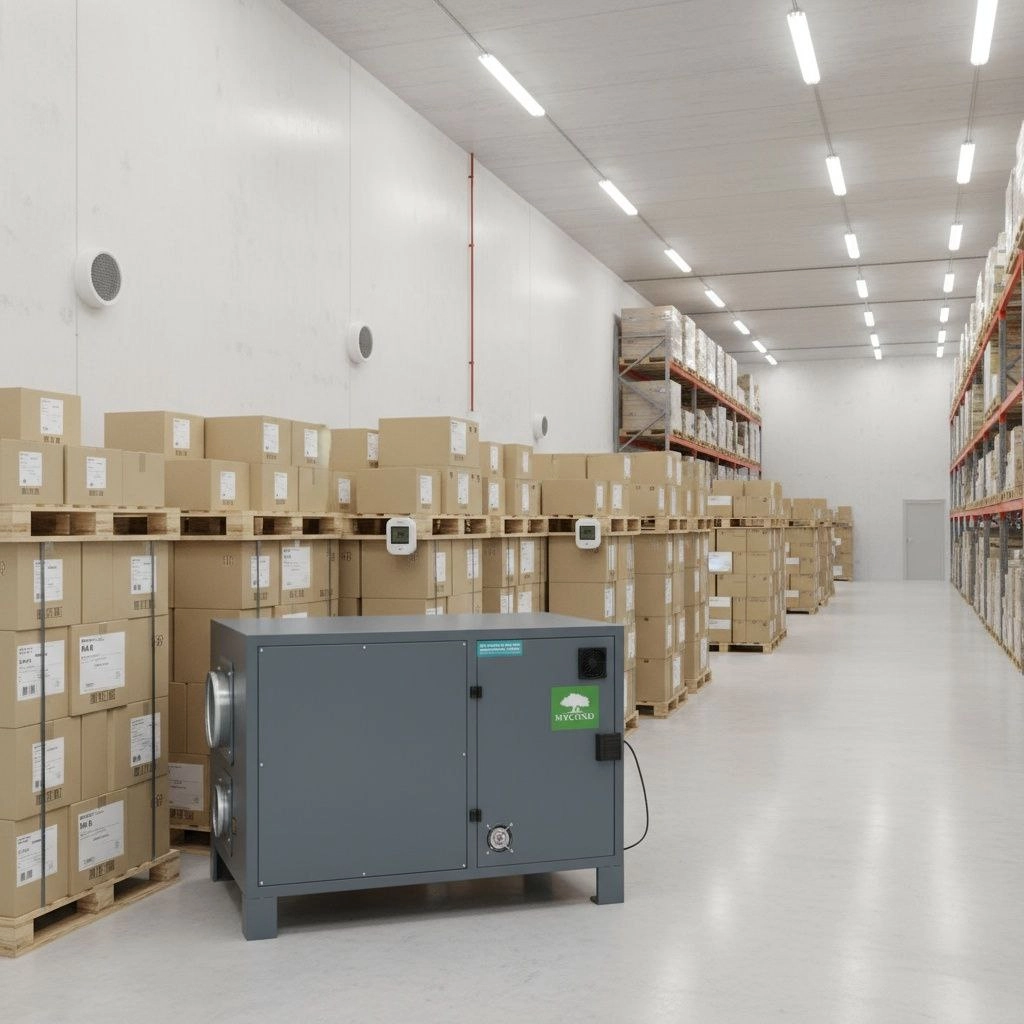
Humidity control during packaging
During the packaging of pharmaceutical products, humidity issues primarily manifest as the product sticking to packaging equipment. This can result in compromised package integrity, incorrect label application, and other defects that undermine the quality of the final product.
Specific humidity requirements are established for packaging zones, depending on the product type and packaging technology. These requirements are often no less stringent than those for production areas, since at the packaging stage the product has already been formed yet remains vulnerable to moisture.
Storage of hygroscopic powders
Pharmaceutical raw material warehouses require careful humidity control. Different materials have different requirements: for example, for some vaccines, optimal storage conditions are 50% RH at 20°C. It is also critically important to dehumidify silos after washing, as residual moisture can spoil significant amounts of raw materials.
An additional challenge is ensuring powder flowability throughout the entire process chain: from the silo through conveyors to final storage. Improper humidity control at any of these stages can lead to material caking and, consequently, production stoppages.
Dehumidification technologies
Various air dehumidification methods are used in the pharmaceutical sector. Condensation dehumidification is based on cooling the air below its dew point, causing moisture to condense and be removed. However, this method has limitations when achieving low humidity levels, especially when a dew point below +5°C is required.
Adsorption dehumidification offers significant advantages when very low dew points (below +5°C) are needed. This technology uses hygroscopic materials (adsorbents), such as silica gel or molecular sieve, to absorb moisture from the air. Adsorption dehumidifiers can provide very low humidity levels, making them an optimal solution for pharmaceutical manufacturing.
For maximum efficiency, combined systems are sometimes used with precooling of the air before adsorption dehumidification. This reduces the system’s energy consumption and extends the service life of the adsorbent.
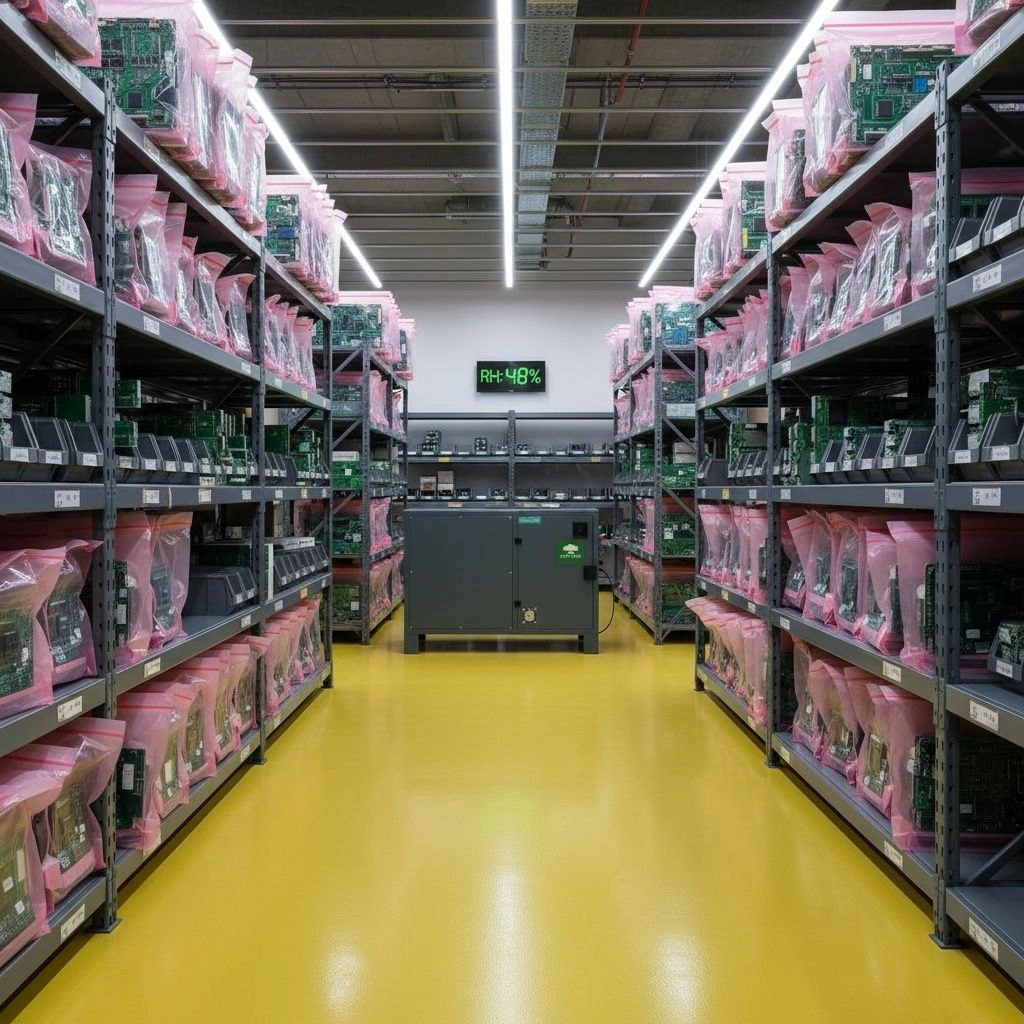
Methodology for calculating moisture loads
To properly design dehumidification systems in pharmaceutical production, it is necessary to accurately calculate moisture loads. The main sources of moisture are:
- Supply air (the largest source)
- Personnel (one person releases about 50–100 g/h of moisture)
- Door openings and airlocks
- Diffusion through the building envelope
Particular attention should be paid to the impact of exhaust ventilation, especially above mixers and other equipment, as it can lead to uneven humidity distribution in the room.
Common design errors
Among the most common mistakes in designing dehumidification systems for pharmaceutical production are:
- Underestimating the load from supply air
- Neglecting proper room sealing
- Incorrect choice of control parameter (for example, using relative humidity instead of dew point)
- Lack of airlocks between zones with different humidity requirements
These mistakes can lead to serious consequences: product defects, unplanned equipment downtime, and violations of GMP and other regulatory requirements.
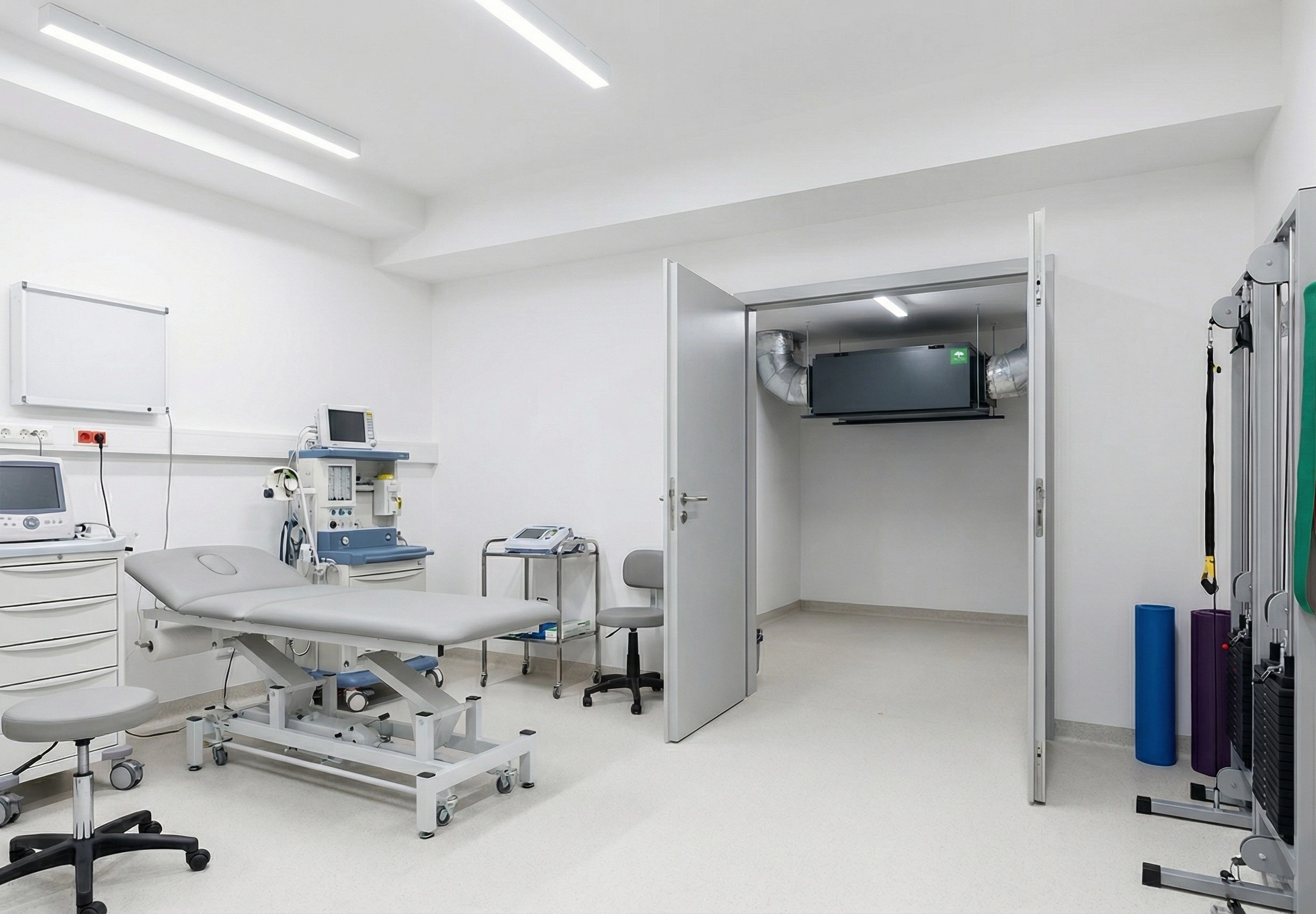
FAQ: Engineering questions
What is the optimal humidity for tableting?
The optimal relative humidity for most tableting processes is 10–20% at a temperature of 20°C. For particularly sensitive materials, even lower humidity may be required.
Why are adsorption dehumidifiers more effective at low humidity?
Condensation dehumidifiers are limited by the physics of the process and cannot operate efficiently at dew points below +5°C, whereas adsorption dehumidifiers can achieve dew points down to -40°C and lower.
How do you calculate the moisture load from personnel?
One person at rest releases approximately 50 g/h of moisture; with physical activity, this value can rise to 100 g/h or more. To calculate the total load, consider the number of personnel and the nature of their activity.
Are airlocks needed between zones with different humidity requirements?
Yes, airlocks are necessary because they prevent moist air from entering from one room to another and help maintain stable climatic conditions in critical areas.
What is the dew point and why is it important to specify it?
The dew point is the temperature at which air reaches 100% relative humidity and condensation begins. Specifying the dew point instead of relative humidity provides more stable control of the absolute moisture content in the air, regardless of temperature fluctuations.
Technical conclusions
Humidity control in pharmaceutical manufacturing is a complex engineering task that requires a comprehensive approach and a deep understanding of physical processes. For effective air dehumidification in the pharmaceutical sector, it is essential to correctly assess moisture loads, choose the appropriate dehumidification technology, and ensure precise parameter control.
Adsorption dehumidification is the most effective solution for achieving the low dew points often required in tablet production and the storage of hygroscopic powders. A properly designed dehumidification system not only ensures compliance with regulatory requirements but also improves product quality, reduces defect rates, and optimizes production processes.


